Hi and welcome,
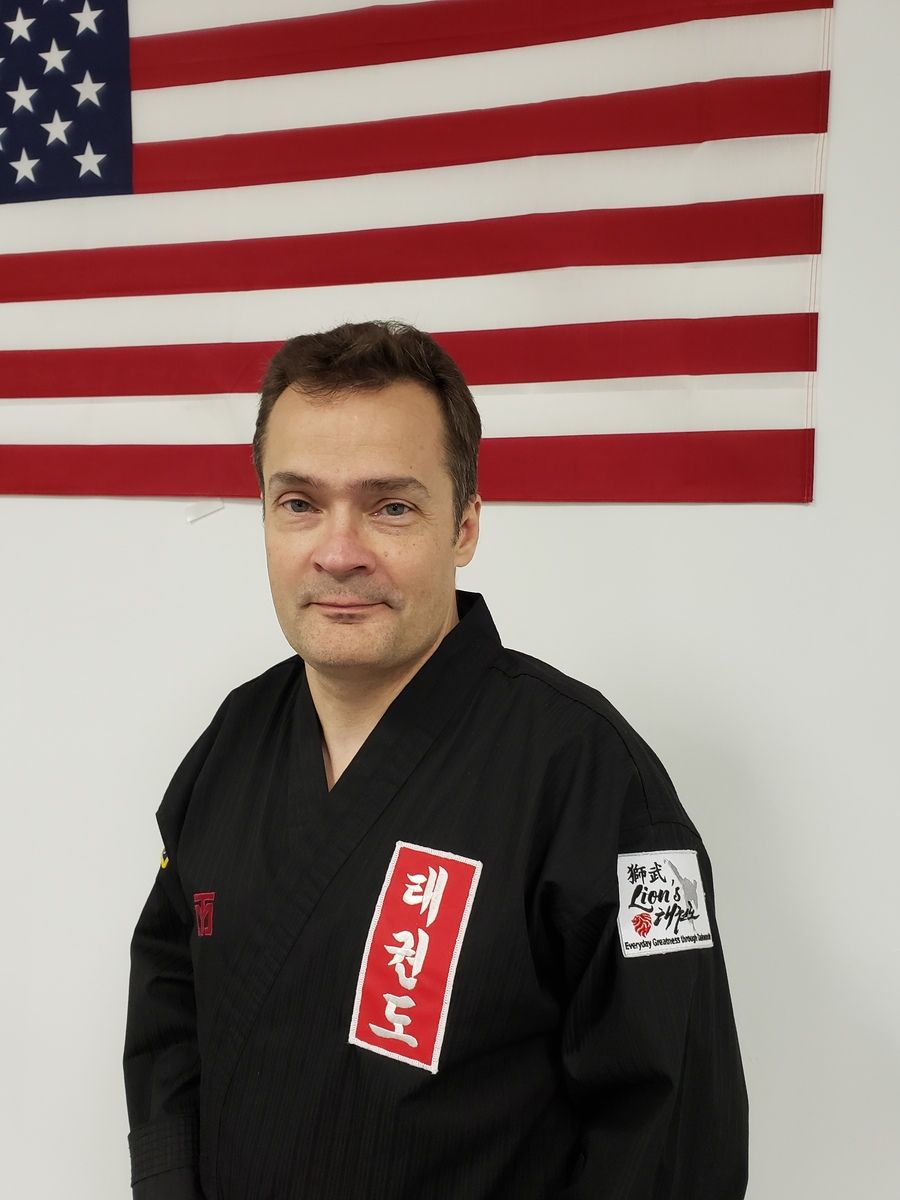
I'm Master Frank, owner of Lions Panzek Martial Arts in Winfield, Illinois.
If you spend enough time around children, eventually you'll hear:
"That's not fair!"
Sometimes they're right.
Sometimes they're... let's say enthusiastically interpreting the facts.
Either way, something important is happening.
They disagree.
And disagreement itself isn't a problem.
In fact, I want our students to learn how to disagree.
I want them to ask questions.
I want them to think for themselves.
I want them to speak up when something doesn't seem right.
What matters is how they do it.
Because one of the most useful lessons we can teach children is this:
You can disagree with someone and still treat them with respect.
Respect Doesn't Mean Blind Agreement
Martial arts places a tremendous emphasis on respect.
We bow.
We use titles.
We listen when instructors speak.
We show courtesy to our training partners.
But respect should never mean:
"I'm not allowed to have an opinion."
Or:
"Adults are always right."
Adults aren't always right.
I know.
I've met several.
I've even been one for quite a while now.
Respect means recognizing another person's dignity even when you disagree with their decision, opinion, or behavior.
That's a much more useful definition.
The Difference Is Usually in the Delivery
Imagine a student believes I made the wrong call during an activity.
There are several ways they could respond.
"That's stupid!"
Probably not our best option.
"You're wrong!"
We're not exactly moving in the right direction.
But what about:
"Sir, can I explain what I thought happened?"
Now we have a conversation.
Same disagreement.
Completely different delivery.
That's a skill.
And children need opportunities to practice it.
Teach Them the Words Before They Need Them
One reason children sometimes respond poorly during disagreements is simple:
They don't know what else to say.
Emotion arrives before vocabulary.
So give them vocabulary.
Try phrases like:
"I understand, but I see it differently."
"Can I explain what happened?"
"I don't agree, but I understand what you're saying."
"Can you help me understand why?"
Or one of my favorites:
"May I ask a question?"
Those phrases aren't magic.
But they give children something constructive to reach for when their first instinct is:
"THAT'S NOT FAIR!"
Which, admittedly, lacks a certain diplomatic finesse.
Martial Arts Gives Us a Place to Practice
Students encounter disagreement in the dojang all the time.
They think they won the point.
Their partner thinks otherwise.
They believe they were standing in the correct place.
The instructor disagrees.
They remember a technique one way.
Someone else remembers it differently.
These are small situations.
That's exactly why they're useful.
We can practice handling disagreement when the stakes are low.
Listen.
Ask.
Explain.
Accept the answer.
Move forward.
Then someday, when the stakes are much higher, those habits are already there.
Respect Goes Both Ways
There's another side to this lesson.
If we want children to disagree respectfully, adults need to make it safe for them to do so.
That doesn't mean children get the final decision.
Sometimes the answer is still no.
Sometimes the instructor's decision stands.
Sometimes Mom and Dad aren't negotiating.
But children should learn that asking a respectful question won't get them in trouble simply because they had a different opinion.
We can say:
"I understand why you feel that way. My decision is still the same."
That teaches two things at once.
Their voice matters.
And hearing them doesn't automatically mean agreeing with them.
That's how respectful communication works.
This Matters for More Than Manners
There's a bigger reason I want children to understand this.
A child who believes "respect" means never questioning an adult may hesitate to speak when they really should.
We want children to recognize authority.
But we also want them to develop judgment.
If something feels unsafe...
If someone asks them to do something inappropriate...
If they believe something is genuinely wrong...
I want them comfortable saying:
"No."
Or:
"I need to talk to someone."
Or:
"I'm not comfortable with that."
Teaching respectful disagreement isn't teaching defiance.
It's teaching children how to use their voice responsibly.
A Family Challenge for This Week
Try introducing one simple rule at home:
You may disagree. You may not be disrespectful.
Then give your child a chance to practice.
The next time they disagree with a decision, instead of ending the conversation immediately, say:
"Try telling me that respectfully."
Let them start over.
Maybe the decision changes.
Maybe it doesn't.
That's not really the point.
The important part is practicing the skill.
Because children aren't born knowing how to disagree well.
Come to think of it, neither are adults.
A quick look at almost any comment section on the internet will confirm this.
Final Thought
Respect isn't silence.
It isn't automatic agreement.
And it isn't surrendering your ability to think for yourself.
Real respect allows two people to disagree while still recognizing the value of the person standing across from them.
That's something martial arts has understood for generations.
We can compete fiercely and bow afterward.
We can challenge each other and still shake hands.
We can disagree and still show courtesy.
Our children are growing up in a world where they will encounter plenty of people who see things differently than they do.
We can't teach them how to avoid disagreement.
We can teach them how to handle it.
Listen first.
Speak respectfully.
Ask questions.
Stand up for yourself when necessary.
And remember that disagreement doesn't have to turn someone into an enemy.
That's a lesson worth carrying far beyond the dojang.
See you on the mat,
Master Frank
Lions Panzek Martial Arts
27W239 Geneva Rd.
Winfield, IL 60190
(630) 797-6698
Start September Strong
The school year is underway, and September is a great time to give your child another place to grow.
At Lions Panzek Martial Arts, we're teaching more than kicks and punches.
We're helping students practice confidence, respect, communication, discipline, self-control, and the ability to stand up for themselves appropriately.
And this month, new students can get started with our:
$49 September Special
🥋 Martial arts classes
🥋 A positive, encouraging environment
🥋 No experience necessary
🥋 Programs for children and individuals with special needs
Whether your child is outgoing, shy, athletic, still finding their confidence, or learns a little differently, we'd love to welcome them to the dojang.
Helping to make you the best you possible.